
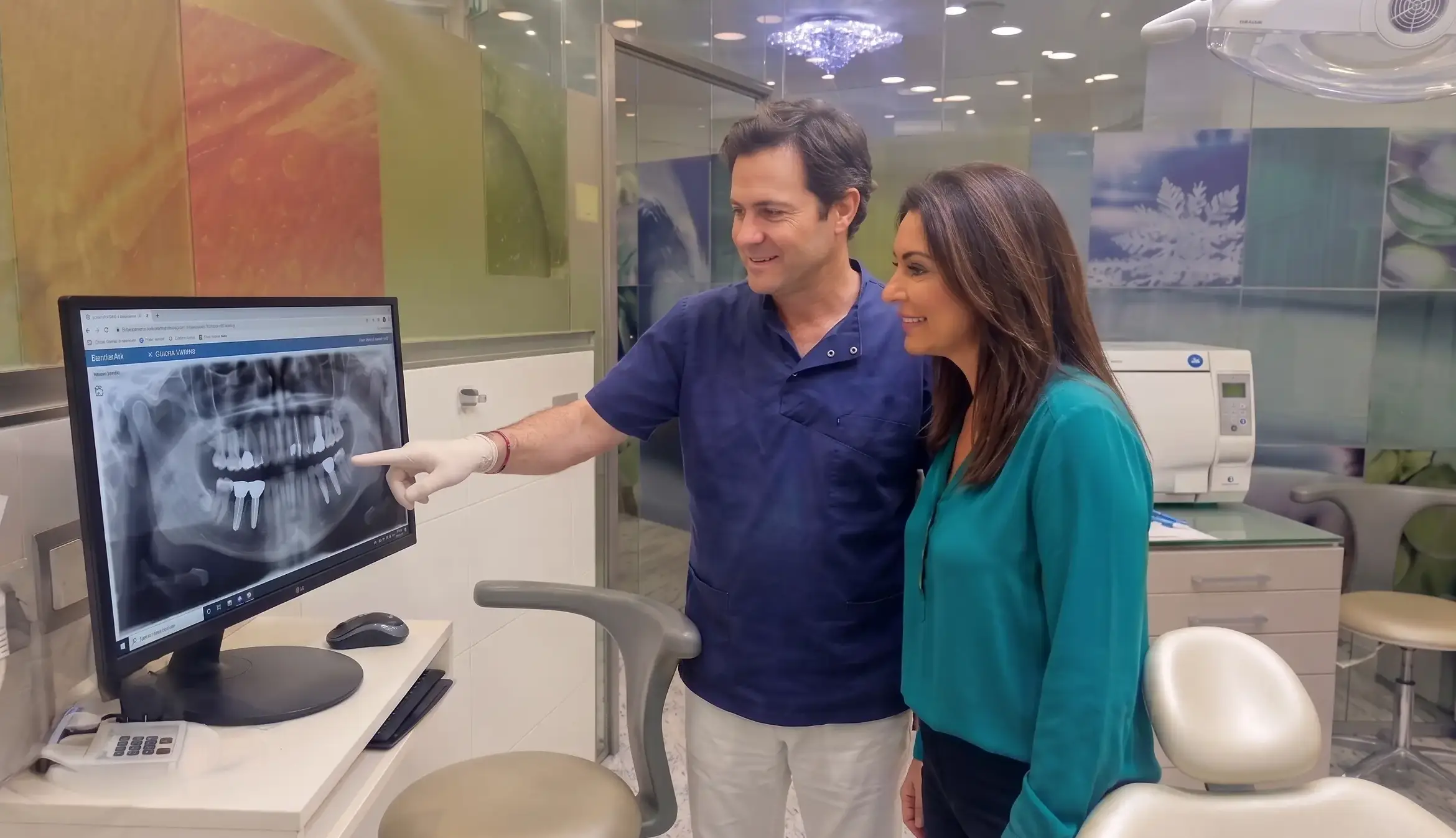
A missing tooth can change more than your smile. It can make eating feel cautious, affect the way you speak and leave you hiding your teeth in photographs. The best options for missing teeth replacement depend on how many teeth are missing, the condition of your jawbone and gums, your long-term goals and, crucially, the budget available to you.
There is no single treatment that suits everyone. A removable denture may be the sensible answer for one person, while another may gain far more from a fixed bridge or dental implants. The right choice is the one that restores function and confidence without committing you to treatment that does not match your clinical needs or finances.
Best options for missing teeth replacement: the main choices
Modern dentistry offers several reliable ways to replace missing teeth. The difference is not simply how they look. Each option has a different effect on comfort, neighbouring teeth, jawbone preservation, treatment time and future maintenance.
Dental implants: the closest replacement to a natural tooth
A dental implant replaces the root of a missing tooth with a small titanium post placed in the jawbone. Once it has healed and integrated with the bone, it supports a custom-made crown. For a single missing tooth, this is often the most complete fixed solution available.
An implant does not rely on the teeth either side for support, so healthy neighbouring teeth do not need to be filed down. It also transfers biting forces into the jaw, helping to maintain bone in the area where the tooth was lost. The finished result can look, feel and function remarkably like a natural tooth.
The trade-off is that implants involve surgery, careful planning and a healing period. Some patients need bone grafting before or at the same time as the placement if the jawbone has reduced after tooth loss. They also require excellent daily cleaning and regular professional reviews. While the upfront cost is higher than many alternatives, an implant can be a compelling long-term investment when it is planned and maintained well.
Implant-supported bridges: for several missing teeth in a row
If you are missing two or more adjacent teeth, separate implants are not always necessary. An implant-supported bridge can replace a section of teeth using strategically placed implants to carry a fixed bridge.
This approach provides the stability of implants while reducing the number of implant posts required. It is particularly valuable when a conventional bridge would place too much pressure on natural teeth or when there are no suitable teeth available to support one.
Treatment planning matters enormously here. The position of the implants, your bite and the quality of available bone all influence whether this is the most predictable route. A proper diagnostic assessment should show you exactly what is achievable before any treatment begins.
Fixed dental bridges: a quicker non-surgical solution
A conventional bridge fills a gap by attaching a replacement tooth to crowns fitted over the teeth on either side. It is fixed in place, so it does not come out at night and can provide an attractive, dependable result when the supporting teeth already need crowns or have substantial existing restorations.
For patients who cannot have surgery, do not want a healing period or want a more affordable fixed option, a bridge can be an excellent answer. It is generally completed faster than implant treatment and can restore chewing ability and appearance efficiently.
The consideration is that supporting teeth must be prepared to hold the bridge. If those teeth are completely healthy, sacrificing tooth structure may be less desirable than an implant. Bridges also do not stimulate the bone beneath the missing tooth, so some bone shrinkage can still occur over time.
Removable partial dentures: flexible and accessible
A partial denture replaces one or several teeth and is taken out for cleaning. It may use a lightweight acrylic base, a metal framework or flexible materials, depending on the design and clinical requirements.
This is often one of the most accessible options for replacing multiple missing teeth, particularly where several gaps exist in different areas of the mouth. It avoids surgery, can usually be made relatively quickly and is easier to adapt or add to if further teeth are lost in the future.
That flexibility comes with compromises. Dentures can move slightly during eating or speaking, and some patients need time to get used to the sensation. They need daily removal and careful cleaning. A well-made denture should feel secure and natural, but it will not provide the same fixed feel as an implant-supported solution.
Full dentures: replacing an entire arch
When all teeth in the upper or lower jaw are missing, a full denture can restore the appearance of a complete smile and make everyday meals more manageable. Modern dentures can be carefully designed around facial proportions, lip support and the look you want to achieve, rather than simply filling a space.
However, lower full dentures can be difficult to keep stable because the tongue and muscle movement can lift them. Over time, continued bone reduction may also affect fit. Relines and replacements are sometimes needed as the shape of the mouth changes.
For many people, a full denture is a practical first step. For others, it becomes the foundation for a more secure implant-supported treatment later on.
Full-arch implant treatment: maximum security for a complete smile
Full-arch implant treatment uses a small number of carefully positioned implants to support a complete fixed set of replacement teeth. You may hear this described as All-on-Four or All-on-Six, depending on the number of implants used and the treatment plan.
This option is designed for people with failing teeth, unstable dentures or extensive tooth loss who want teeth that stay in place. A fixed full arch can transform the way you eat, speak and smile, while helping to support the jawbone. In suitable cases, temporary fixed teeth may be fitted soon after surgery, so you do not have to face daily life without teeth during healing.
It is a major restorative treatment and should never be chosen on price alone. It requires a detailed assessment of bone, bite, health history and expectations. Yet for the right patient, it can offer a decisive, life-changing alternative to loose dentures and repeated repairs.
How to choose the right replacement option
Start with the size and location of the gap. A single front tooth calls for different considerations from several missing back teeth or an entire arch. Then consider the health of your remaining teeth. If nearby teeth need crowns anyway, a bridge may make excellent sense. If they are healthy, an implant may protect more of your natural tooth structure.
Your jawbone is equally important. Bone loss does not automatically rule out implants, but it may make treatment more complex. A 3D scan and a clinician-led assessment can show whether grafting, angled implants or another approach is appropriate.
Lifestyle matters too. If you want the confidence of fixed teeth and are happy to commit to surgery and a longer plan, implants may be worth pursuing. If you need a fast, affordable solution or prefer to avoid surgery, a bridge or denture may be the better route. The best choice is not the most expensive treatment. It is the treatment that gives you a stable, healthy result you can maintain.
Looking beyond the first price quote
The cost of replacing teeth in the UK can be a real barrier, especially where multiple implants or full-arch treatment are involved. It is wise to compare like for like: diagnostics, surgery, temporary teeth, final restorations, laboratory work, follow-up appointments and aftercare all matter. A low starting figure can become misleading if key stages are excluded.
For patients considering treatment abroad, confidence comes from having a structured clinical journey rather than simply booking a procedure. Smile Savers combines London consultations and diagnostics with specialist treatment in Budapest, helping patients access premium restorative dentistry at a significantly lower cost than many UK private quotes. Travel coordination and ongoing aftercare also make the process feel manageable, not daunting.
Whatever route you choose, ask who will plan the treatment, what materials are included, how complications are handled and what ongoing maintenance you should expect. Clear answers are a sign of a provider that takes both your result and your peace of mind seriously.
A missing tooth does not have to become a permanent limitation. With the right assessment, a realistic plan and care from an experienced team, you can choose a replacement that lets you eat comfortably, smile openly and get on with life without holding back.