
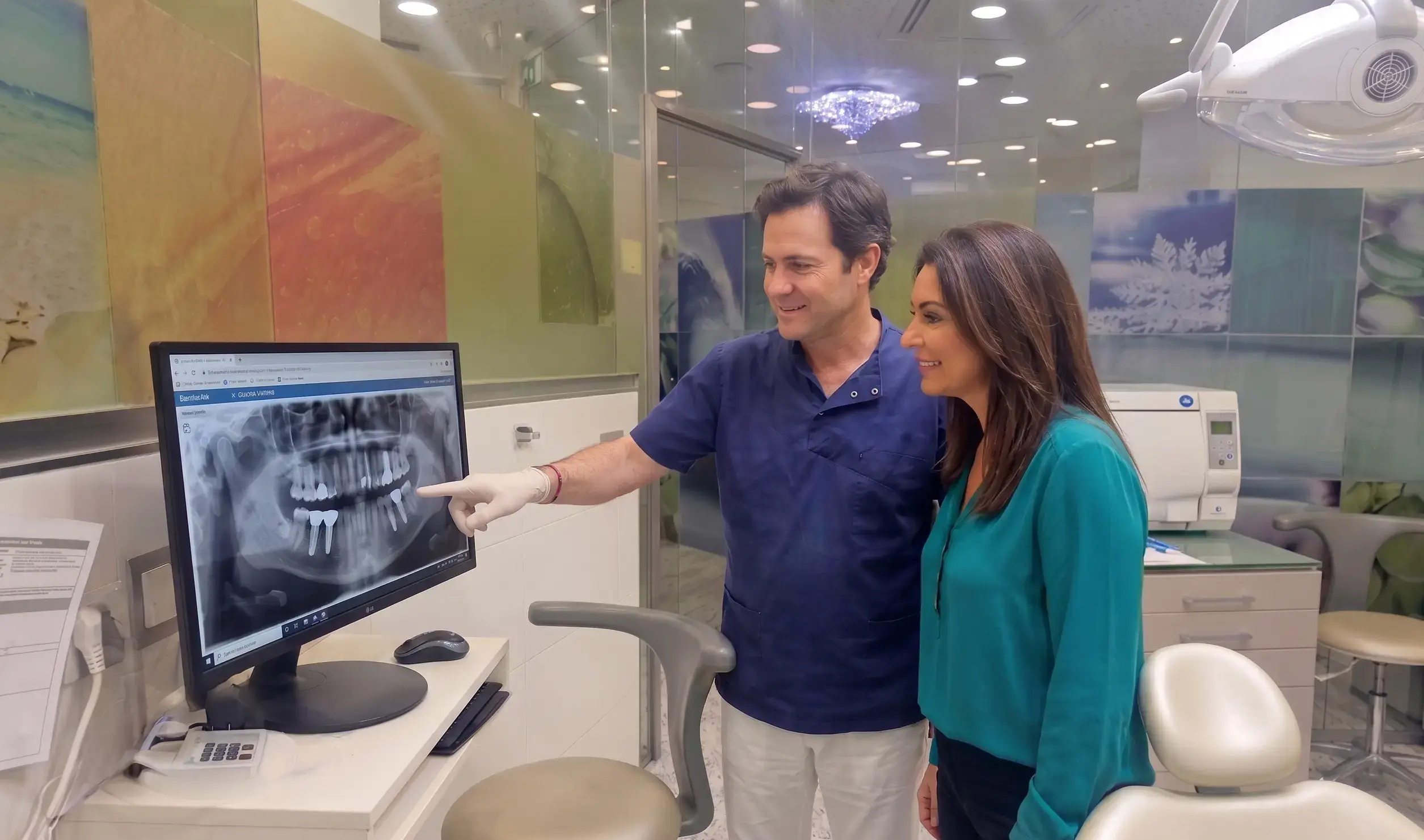
A cheap quote abroad can look brilliant until one practical question lands – what happens when you get home? That is where UK aftercare for dental treatment abroad stops being a nice extra and becomes a serious part of the decision. If you are planning implants, full-mouth work, crowns or veneers overseas, the quality of the aftercare pathway matters almost as much as the treatment itself.
Major dentistry is rarely a one-day event. Even when the main clinical work is completed to a very high standard, healing takes time, bite changes can need reviewing, and patients often want reassurance once they are back in familiar surroundings. The smart way to compare providers is not simply to ask what the treatment costs in Budapest, Turkey or elsewhere. Ask who checks your healing, who adjusts your bite, who answers your questions, and where you go if something does not feel right once you are back in the UK.
Why UK aftercare for dental treatment abroad matters
Dental tourism has matured. Patients are no longer just chasing the lowest quote. They want lower prices, yes, but they also want a joined-up experience that feels safe, managed and clinically sensible. That is especially true for people having implant surgery, bone grafting, bridges, dentures or a full smile makeover.
Aftercare matters because dentistry does not end when you leave the clinic. Implants need monitoring while the bone heals. Temporary restorations may need reviewing. Gum tissue can settle. A new bite can feel unusual at first and occasionally needs a minor adjustment. None of that automatically signals a problem. It often just means the treatment needs proper follow-through.
Without a UK-based aftercare plan, patients can feel stranded. If they have a question, they may be relying on remote messages, photos taken on a mobile phone and the hope that a local practice will agree to step in. Some dentists will help with routine checks, but many are understandably cautious about taking responsibility for work they did not carry out. That can leave patients paying extra, waiting longer and feeling far less confident than they expected.
What good aftercare actually looks like
The phrase gets used a lot, but not every provider means the same thing by aftercare. In practical terms, proper support should be structured, easy to access and clinically relevant to the treatment you have had.
For implant patients, aftercare usually includes healing reviews, checks on the soft tissue around the implant sites, advice on cleaning, and assessment of how the temporary or final teeth are functioning. For crown and veneer patients, it may involve bite assessments, comfort checks and discussions about sensitivity. For denture or full-arch patients, fit, function and pressure points often need reviewing once everyday life resumes.
The strongest model is one where the patient journey is planned across both locations rather than split into isolated stages. Initial assessment, treatment abroad and review in the UK should feel like one connected service, not three separate transactions. That continuity reduces stress and often leads to better outcomes because the clinicians and coordinators already understand the case history.
The difference between reassurance and real clinical backup
Some providers promise support, but what they really offer is little more than a WhatsApp number and a hopeful tone. Real UK aftercare for dental treatment abroad is more than being told to get in touch if you are worried.
Patients should expect clear post-treatment instructions, scheduled review points where appropriate, and a route back into face-to-face care. That matters because not every issue can be judged from a photograph. If a crown feels high, if a denture is rubbing, or if an implant area feels tender beyond what was expected, being seen in person makes a difference.
That does not mean every concern is urgent or complicated. Often, it is the small practical fixes that make the biggest improvement to comfort and confidence. But those small fixes are much easier when there is a local framework in place.
UK aftercare for dental treatment abroad and patient confidence
For many people, the biggest barrier to going abroad is not the flight. It is the fear of being left on their own afterwards. This is especially true for patients who have put treatment off for years, feel embarrassed about their teeth, or have been quoted sums in the UK that simply are not realistic for their budget.
A proper UK aftercare model changes that calculation. It turns overseas treatment from a leap of faith into a managed process. You know where to go before treatment, where major work happens, and where support continues once you return. That is a very different proposition from booking treatment abroad as a one-off deal and hoping everything settles perfectly.
This matters emotionally as well as clinically. Dental treatment can be life-changing. Patients are not just buying crowns or implants. They are trying to eat properly, smile without thinking about it, and stop hiding damaged or missing teeth. The aftercare pathway protects that investment.
What to ask before choosing a provider
If you are comparing options, ask direct questions and expect direct answers. Where will your pre-treatment consultation happen? If you need a check-up after returning home, is that built into the journey or arranged separately? If a minor adjustment is needed, where is it done? If your treatment involves stages, how are those stages managed between the UK and the overseas clinic?
Also ask about clinical responsibility. A well-run cross-border model should not sound vague at this point. It should be obvious who is treating you, who is reviewing you and how communication works between teams.
There is also a financial angle. Low headline prices can lose their shine quickly if post-treatment reviews, x-rays, adjustments or troubleshooting are left out. True value is not just about the surgery abroad. It is about the full cost of getting the result you want and keeping it stable.
Why a London-to-Budapest model makes sense
Not every dental tourism setup is built equally. A structured London-to-Budapest pathway works because it combines significant cost savings on advanced treatment with the reassurance of UK-based access before and after travel. Patients get the pricing advantage of a major European dental centre while still having practical support closer to home.
That is one reason the model used by Smile Savers appeals to people who want more than a bargain. They want expert treatment, yes, but they also want the process organised properly. Having consultations, diagnostics and aftercare in London helps remove the chaos that often puts people off going abroad in the first place.
For patients from London and nearby counties, that local touchpoint can be especially valuable. It keeps the journey simpler. It also means concerns can be raised early, rather than ignored until they become stressful.
Aftercare is not a promise that nothing will need attention
This is where honesty matters. Even excellent dentistry can require review. Healing is individual. Bites settle. Temporary teeth are temporary for a reason. Some cases are straightforward and need very little follow-up beyond routine checks. Others, especially complex implant or full-mouth rehabilitation cases, need more monitoring.
That is not a flaw in overseas treatment. It is simply the reality of advanced dentistry. The question is whether your provider acknowledges that reality and has planned for it.
Patients should be cautious of any sales message suggesting that treatment abroad is perfect because it is cheaper, faster and never needs follow-up. Better dentistry is about planning, precision and support. Price matters, but price alone is not the full story.
The bottom line for patients comparing quotes
If you are looking at private UK fees and wondering whether treatment abroad could finally make implants or a smile makeover affordable, you are asking the right question. But do not stop at the treatment plan and the savings figure.
Look at the journey around the treatment. Look at the checks after surgery. Look at what happens once you are back in Britain and real life resumes. The strongest providers make your care feel connected from start to finish, not fragmented across countries.
When UK aftercare for dental treatment abroad is built into the model, the value becomes much bigger than the quote. You get expert treatment at a lower cost, but you also get the confidence that someone is still there when the flight home is over. And for most patients, that is the part that turns a tempting option into the right one.