
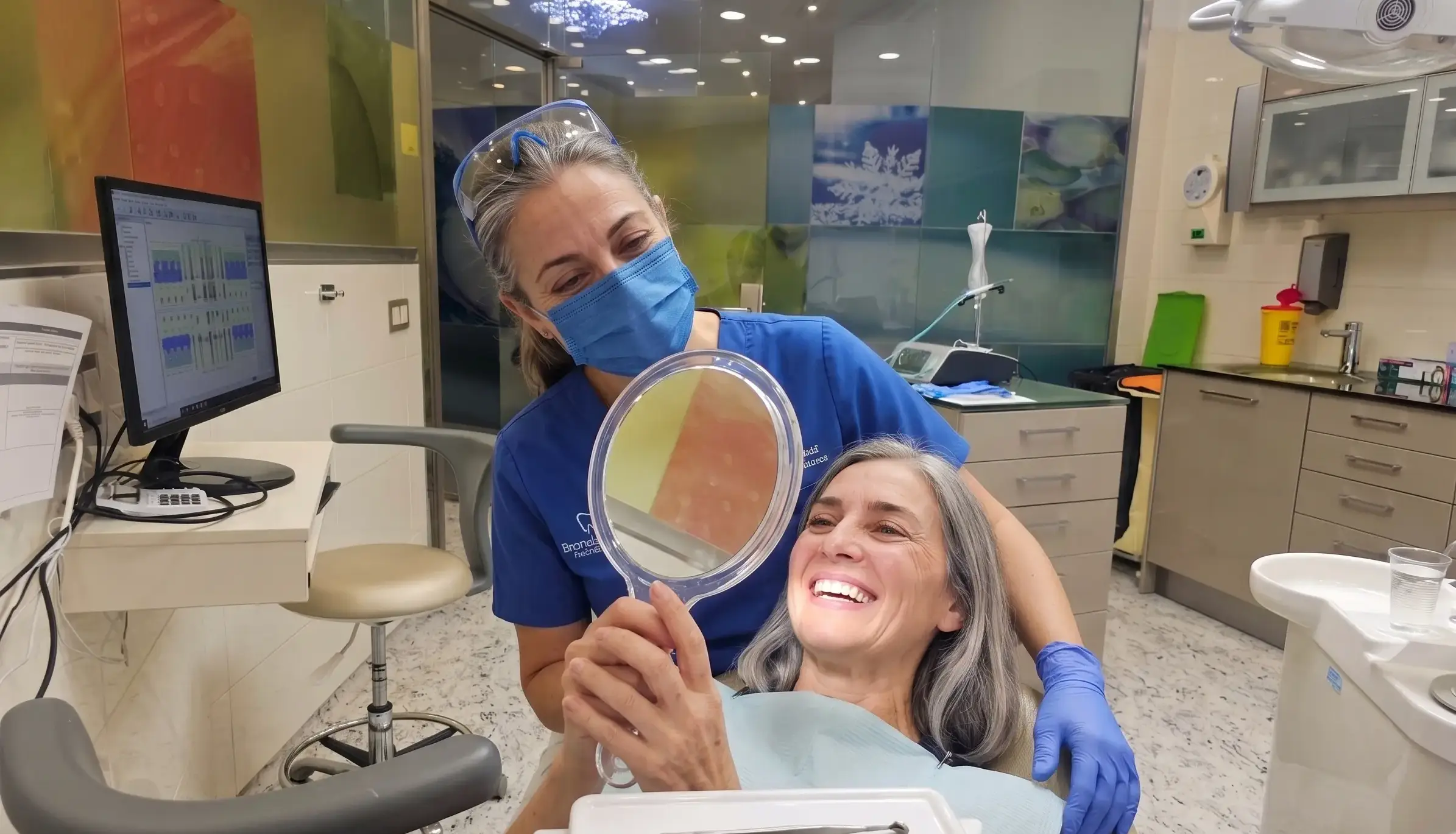
Missing several teeth changes far more than the way you eat. It can make you avoid photographs, choose softer foods, speak less freely and feel older than you are. Knowing how to replace multiple missing teeth starts with understanding that there is no single best treatment for everyone. The right answer depends on where the gaps are, how many teeth remain, the condition of your jawbone and what you want your new smile to do for your confidence and daily life.
The good news is that modern restorative dentistry can replace anything from a few neighbouring teeth to a complete arch. With the right planning, the result can look natural, feel secure and give you a strong, comfortable bite again.
How to replace multiple missing teeth: your main options
The choice usually comes down to a bridge, implants supporting individual replacement teeth, an implant-supported bridge, or a full-arch solution. A detailed examination is essential before deciding. X-rays or 3D scans show what cannot be judged from the surface alone: bone volume, the position of nerves and sinuses, hidden infection, and whether remaining teeth are strong enough to retain.
A conventional bridge
A conventional bridge fills a gap by attaching replacement teeth to the natural teeth either side. It can be a practical option when the supporting teeth already need crowns, or when implants are not suitable because of medical, anatomical or budget considerations.
For a short run of missing teeth, a bridge can provide a good cosmetic and functional result without surgery. The trade-off is that the supporting teeth must be prepared, and the bridge depends on them remaining healthy and stable over time. It may not be the best long-term choice where several teeth are missing across different parts of the mouth, or where the adjacent teeth are already weak.
Individual dental implants
A dental implant replaces the tooth root with a small titanium post placed in the jawbone. Once it has integrated with the bone, it can support a crown. For multiple separate gaps, implants can often replace each tooth individually without involving neighbouring healthy teeth.
This approach offers excellent stability and helps transmit chewing forces into the jaw, which can reduce further bone loss in the area. However, placing an implant for every missing tooth is not always necessary or sensible. It can increase surgery, healing time and cost, particularly where several teeth in a row are absent.
Implant-supported bridges
When three or more teeth are missing together, two or more implants may support a fixed bridge. This is often one of the most efficient ways to restore a section of the mouth. You gain the security of implants without requiring one implant for every replacement tooth.
An implant bridge does not come out at night and is designed to feel much closer to natural teeth than a removable plate. It is a popular choice for patients who want to eat confidently again but do not need a full-mouth restoration. The number and position of implants will be based on your bone quality, bite forces and the span of the gap.
Full-arch implant solutions
If most or all teeth in the upper or lower jaw are missing, failing or beyond saving, a fixed full-arch bridge may be the most life-changing option. This is often known as an All-on-Four or All-on-Six treatment, referring to the number of implants used to support a complete set of replacement teeth.
Strategically angled implants can sometimes make use of available bone and reduce the need for additional grafting. In suitable cases, patients may receive a fixed temporary bridge shortly after surgery, so they do not have to leave with an empty smile while their implants heal. The final bridge is fitted once healing and bite stability have been carefully assessed.
This is a major treatment, not a quick cosmetic fix. It demands advanced planning, a highly experienced implant team and committed aftercare. For the right candidate, though, it can replace unstable dentures with a secure smile that looks good, feels solid and supports a far more relaxed life.
The factors that decide which treatment is right
A persuasive before-and-after photograph cannot tell you whether a treatment is right for your mouth. Your clinical assessment should consider your remaining teeth, bone levels, bite, medical history and habits such as smoking or tooth grinding. These factors affect the predictability of treatment and the maintenance it will need.
Bone loss matters because the jaw naturally shrinks after teeth are lost. The longer a gap has been left, the more likely it is that additional preparation may be needed before implants can be placed. That does not automatically rule implants out. It simply means your plan must be based on proper diagnostics rather than guesswork.
Your goals matter too. If your priority is replacing two visible teeth quickly and conservatively, a bridge may be appropriate. If you want a fixed, long-term replacement for a whole row of missing teeth, implant-supported work is often stronger and more stable. If you have worn loose dentures for years, a full-arch solution could be transformative, but it requires a larger financial and clinical commitment.
What the treatment journey should look like
Quality results begin before any surgical appointment. A safe plan should include a consultation, diagnostic imaging, a discussion of every realistic option, clear written costs and a review of the likely timeline. You should understand what is included, what may change if unexpected issues are found, and how your bite and appearance will be planned.
For implant treatment, the journey commonly has two stages. First comes implant placement and, where suitable, a temporary restoration. The implants then need time to integrate with the bone. Once healing is complete, the final crowns or bridge can be made to refine the shape, colour, bite and overall appearance of your smile.
Complex cases benefit from a co-ordinated team rather than fragmented appointments. Smile Savers combines London consultations and aftercare with specialist treatment in Budapest, helping UK patients access major implant and restorative work at substantially lower costs than many private UK clinics. The value is not simply travelling for a lower quote. It is having a managed plan, clear communication and ongoing support around a significant clinical decision.
Cost is important, but so is what you are comparing
The cost of replacing multiple teeth can vary widely. A bridge, a removable denture, several implants and a full-arch fixed bridge are fundamentally different treatments, so headline prices alone can be misleading.
Ask whether the quote includes scans, temporary teeth, surgery, sedation where needed, laboratory work, final restorations, reviews and aftercare. If bone grafting or extractions might be required, ask how these are priced and under what circumstances they become necessary. A lower initial figure that excludes key stages can become expensive quickly.
Travelling abroad can make premium dentistry more attainable, particularly for extensive implant work. But affordability should never mean cutting corners. Look for a clinic with specialist experience, a documented treatment plan, transparent pricing and a sensible route for follow-up care once you return home.
Looking after your new teeth
Replacement teeth need maintenance, whether they are on implants, a bridge or a denture. Fixed work must be cleaned carefully around the joins and beneath bridge sections. Implant patients need regular professional reviews so the bite, surrounding tissues and restorations can be checked before small issues become larger ones.
Avoid treating your restoration as indestructible. Grinding, smoking, poor cleaning and missed check-ups can shorten the life of even excellent work. If you grind your teeth, a protective night guard may be recommended. With careful daily cleaning and professional maintenance, a well-planned restoration can support your smile for many years.
The most useful next step is not choosing a treatment from a price list. It is booking a proper assessment, asking direct questions and choosing the option that gives you the right balance of security, appearance, longevity and value. Replacing multiple missing teeth is a serious investment, but it can also be the point where eating, smiling and living freely start to feel normal again.