
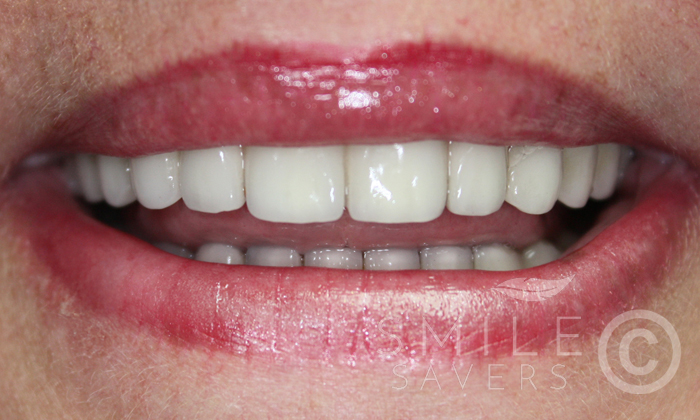
A full mouth reconstruction can change far more than the way your smile looks. When multiple teeth are missing, failing, worn down or uncomfortable, everyday things such as eating, speaking and smiling for photographs can become a source of anxiety. That is why full mouth reconstruction abroad is attracting serious attention from UK patients faced with private treatment quotes that feel out of reach.
The savings can be substantial, but the right decision is never simply about finding the lowest figure. A successful reconstruction needs skilled planning, the right clinical team, quality materials and a clear route for aftercare once you are home. Get those foundations right and treatment abroad can be a practical, high-value route to a stronger, more confident smile.
What does a full mouth reconstruction involve?
Full mouth reconstruction is a personalised programme of restorative treatment rather than one standard procedure. It is designed to rebuild the function, appearance and comfort of a mouth affected by extensive tooth loss, damaged teeth, old dental work or bite problems.
Your plan may include dental implants to replace missing teeth, fixed bridges, crowns, full-arch solutions such as All-on-Four or All-on-Six, or modern dentures. Some patients need one arch rebuilt; others need comprehensive work across both jaws. The right approach depends on your remaining teeth, bone levels, bite, general health and the result you want to achieve.
This is why a proper assessment matters. A good clinic does not sell the same solution to every patient. It starts with detailed diagnostics, examines the condition of your teeth and supporting structures, then explains what can be retained, what needs replacing and how each stage will work.
Why UK patients consider treatment abroad
The UK cost of complex private dentistry can be difficult to absorb, particularly when several implants, extensive laboratory work and specialist appointments are involved. Treatment overseas can offer a meaningful price difference because clinic operating costs and laboratory fees may be lower, not because patients should accept lower clinical standards.
Budapest has built a strong reputation for advanced dental care, with experienced implant clinicians, modern laboratories and high volumes of international patients. For the right patient, this combination can mean access to comprehensive treatment at a cost that makes action possible sooner.
There is another benefit: treatment can often be organised in focused blocks. Instead of trying to fit numerous appointments around work and family commitments over many months, patients may complete key stages during planned visits. That said, shorter timelines should never mean rushed clinical decisions. Implant treatment still needs time for healing where required, and a responsible plan will explain why more than one visit may be necessary.
Full mouth reconstruction abroad: what to compare
A headline price is only useful when you know exactly what it includes. Two quotations can look similar while covering very different treatment, materials and support. Ask for a written, itemised plan that sets out the number of implants, temporary and final teeth, scans, laboratory work, sedation if applicable, review appointments and likely timescale.
Clinical credentials should be equally clear. Look for a team with specific experience in complex implant and full-arch cases, not just general dentistry. You should know who is planning your case, who will carry out the surgical stage and who will fit the final restoration. Ask to see relevant before-and-after cases, while remembering that another patient’s result is not a guarantee of your own.
The materials and laboratory standards deserve attention too. Reconstruction work has to cope with daily chewing forces for years. Your clinician should be open about the implant system, final restoration material and warranty terms, as well as the care required to protect your investment.
Finally, consider communication. You should be able to ask questions in plain English and receive direct answers before you book. If a clinic cannot explain the risks, alternatives, likely number of visits and what happens if treatment needs adjusting, it is not offering the transparency a major dental decision demands.
The three stages that make treatment easier to manage
The most reassuring overseas dental journeys are structured before you ever board a flight. A London consultation and diagnostic assessment can help establish whether you are a suitable candidate, clarify your options and provide an early indication of costs. It gives you an opportunity to meet a team locally and discuss your priorities face to face.
The treatment stage in Budapest should then follow an agreed plan, with a named coordinator who helps organise appointments and practical travel details. You still need to allow for normal recovery after surgery and follow the clinical instructions carefully. A short break abroad is not the same as a holiday when you are having major dental work.
Aftercare is the part many people overlook when comparing prices. Your new teeth need routine checks, professional cleaning and occasional adjustments, just as they would after treatment in the UK. A cross-border model with local aftercare means you are not left trying to solve a concern from a distance. Smile Savers combines UK-based consultation and ongoing support with treatment through its Budapest clinic partner, making the process feel more connected from first assessment to final review.
Understand the trade-offs before you commit
Going abroad is not automatically right for everyone. If you cannot comfortably travel, have complex medical needs that require close local hospital support, or need frequent unplanned appointments, treatment nearer home may be the better choice. Your dentist should take a full medical history and advise honestly on suitability.
Travel also brings practical costs. Flights, accommodation, meals and time away from work should be included in your budget, alongside the treatment fee. Even after adding these costs, some patients find the overall saving compelling. The point is to compare the complete journey, not a single advertised starting price.
There is also no honest way to promise a perfectly fixed timetable. Healing differs between patients. Bone grafting, implant integration and bite adjustments can alter the final schedule. A credible provider will give you a realistic estimate, explain the reasons for each waiting period and avoid making guarantees before diagnostics are complete.
Questions worth asking at your consultation
Before choosing a provider, make sure you can answer four practical questions: What treatment is clinically necessary? What is included in the quoted price? How many visits will I need and how long will each stay be? Who will look after me once I return to the UK?
You should also ask what happens if an implant does not integrate as expected, a temporary restoration breaks or the final fit needs refinement. Complications are not the desired outcome, but discussing them upfront is a sign of mature clinical planning. The best value is not the cheapest plan on paper. It is treatment designed properly, delivered by experienced hands and supported long after you return home.
A reconstructed smile should give you the confidence to eat more comfortably, speak freely and stop hiding your teeth. Start with a thorough assessment, compare like for like, and choose a team that treats your care as a complete journey rather than a flight and a procedure.